
Blog
Why Stitching Quality Matters in Flags? How to Identify a Durable Flag

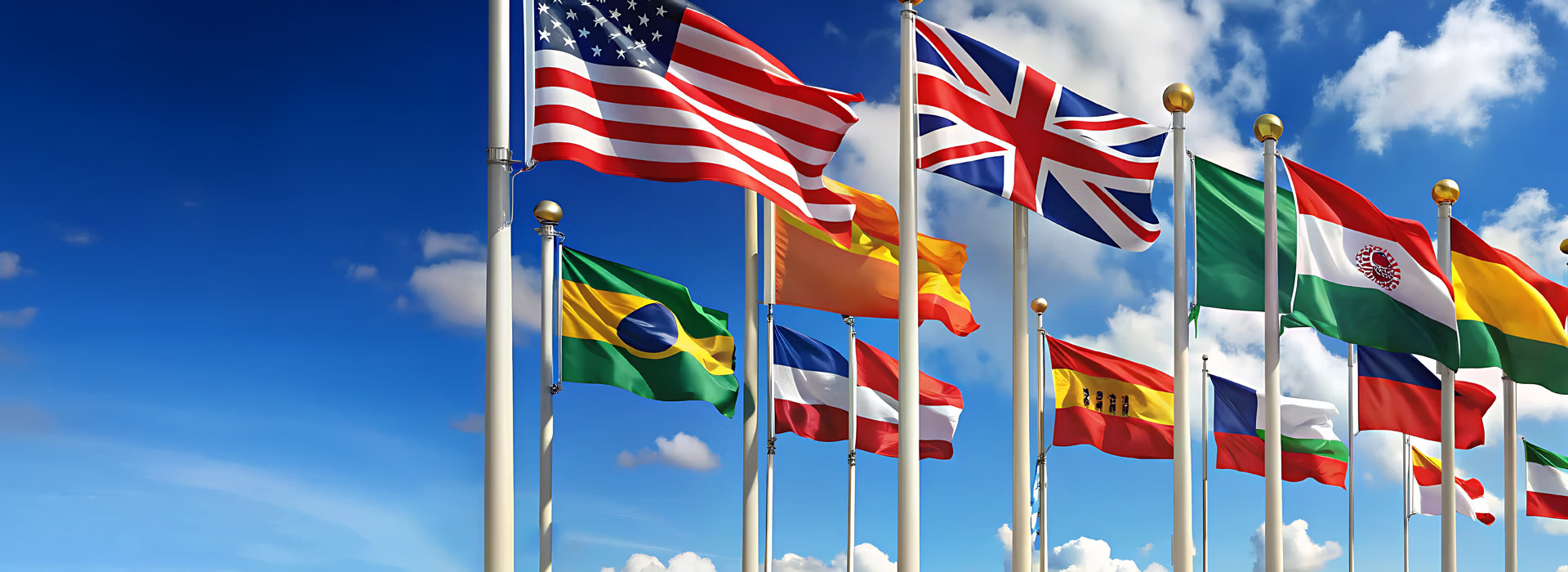
When choosing a flag, most people focus on the fabric and design. However, stitching quality is just as important as the material itself. Especially for outdoor flags, stitching determines how long the flag will last.
In this guide, you’ll learn what high-quality stitching looks like and how it affects durability.
Why Is Stitching So Important?
Flags are constantly moving due to wind. This creates:
- Continuous tension on edges
- Stress on attachment points
- Wear over time
Poor stitching leads to:
❌ Tearing
❌ Fraying edges
❌ Short lifespan
What Defines High-Quality Stitching?
1. Double or Triple Stitching
Strong flags use reinforced stitching along the edges to prevent tearing.
2. Folded Edges
Edges should be folded before stitching to avoid fraying.
3. Reinforced Corners
Corners are the most vulnerable points. High-quality flags include extra reinforcement.
4. Strong Header / Attachment Area
The side attached to the pole must be reinforced with durable material and stitching.
Signs of Poor Stitching
- Single thin stitch
- Loose threads
- Unfinished edges
- Weak corners
How Stitching Affects Flag Lifespan
✔ Strong stitching = longer use
✔ Better appearance
✔ Lower long-term cost
Outdoor Flags: Why Stitching Is Critical
Outdoor flags face constant wind pressure.
👉 Best combination:
Raschel fabric + reinforced stitching
Conclusion
To choose a long-lasting flag, always check:
- Edge stitching
- Corner reinforcement
- Attachment strength